A wedding timeline is the written schedule of the day, with a time for each moment: ceremony, aperitivo, lunch or dinner, cake cutting, party. It does two things. It tells everyone, the couple included, what happens and when, and it lets the venue plan the kitchen and the service.
Casale Consolini, the Consolini family’s venue at Via delle Capannelle 201 in southern Rome, hosts weddings for 50 guests and more. The times below are examples to adapt: the real schedule is built with the venue, around your day.
How long a wedding lasts
The ceremony is over in half an hour, an hour at most. The reception lasts six, seven, even eight hours, as we explain in our article on where to get married in Rome. That is why the timeline is built mostly around the reception, where the day either flows or stalls.
With a long reception, the couple needs to know where they should be at any hour and who is looking for them. A timeline shared with the witnesses, the photographer, the musicians and the people running the room takes away the job of remembering everything.
Example timeline for a dinner wedding
One possible model, with an afternoon ceremony:
- 4:30 pm, guests arrive and are welcomed;
- 5:00 pm, ceremony, half an hour to an hour;
- 6:00 pm, group photos and greetings;
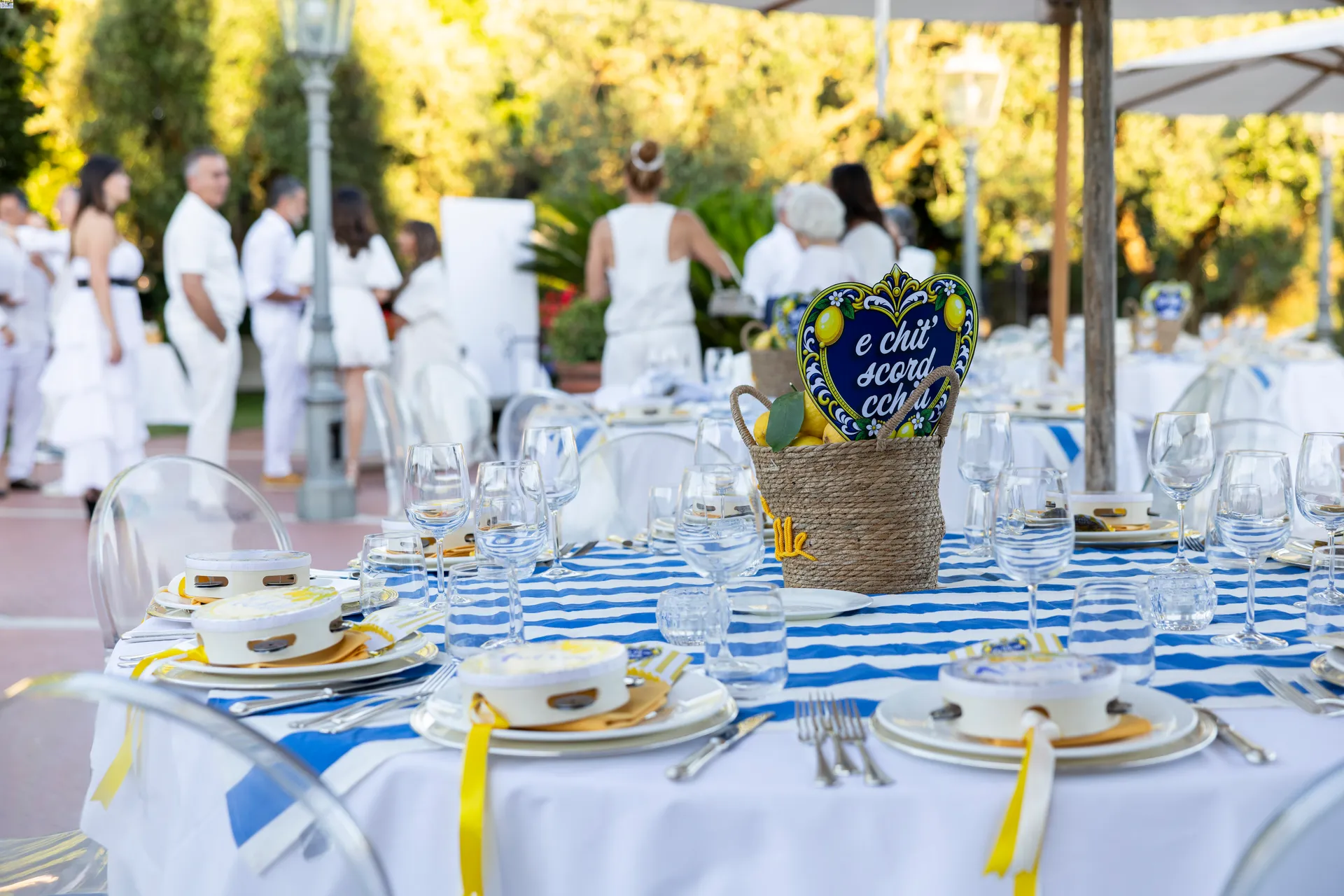
- 6:30 pm, aperitivo in the garden;
- 8:00 pm, the couple’s entrance and the start of dinner;
- 10:00 pm, cake cutting and toast;
- 10:30 pm, music and dancing;
- 12:30 am, goodbyes and close.
Timings shift with the season. In summer the sun sets late and everything can move by half an hour or an hour; in autumn it is better to start earlier to use the daylight. Ask the venue when sunset is on your date and whether the garden lighting schedule changes.
Example timeline for a lunch wedding
With the ceremony in mid-morning or at noon:
- 11:00 am, guests arrive;
- 11:30 am, ceremony;
- 12:30 pm, photos and aperitivo;
- 2:00 pm, lunch;
- 4:00 pm, cake cutting;
- 5:00 pm, music and dancing;
- 7:00 pm, goodbyes.
Lunch is more compact than dinner and leaves the afternoon free. It suits couples with older guests or children; for advice on organizing the day with little ones, see our article on children at a wedding.
The ceremony: civil, religious or symbolic
The schedule changes with the type of ceremony. A civil ceremony takes place at the town hall or at an authorized venue, a religious one in a church; a symbolic ceremony can be held right at the venue, as our article on the symbolic wedding ceremony explains. If the ceremony is somewhere else, add the travel time to the reception, with a margin for traffic: guests never all arrive together.
Aperitivo, tables and the first entrance
The aperitivo is when guests meet, and it should last long enough for everyone to arrive and greet the couple. To sit down at dinner, guests need to find their seat easily: a tableau de mariage (the seating chart) at the entrance to the reception area shortens the queue.
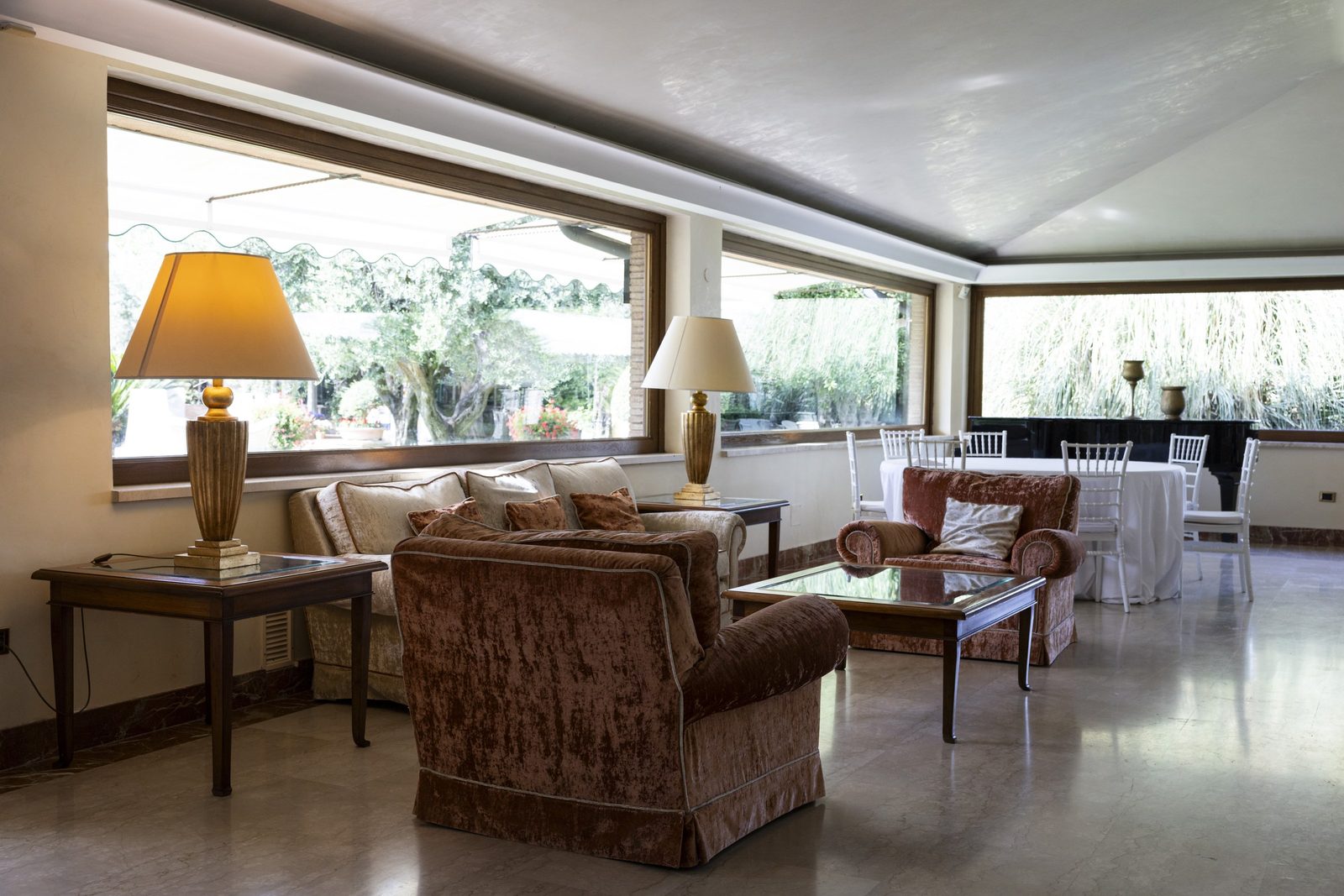
At the Casale the reception moves through several areas: the garden, the pool, the indoor rooms. Ask how guests move from one to another during the day, and how long it takes to bring them from the aperitivo to the dining room.
Cake cutting, confettata and party
Cut the cake in the middle of the evening, while everyone is still there. After the cake, the confettata, the Italian table of sugared almonds, can open, and music takes over from conversation. At the Casale, weddings can have live music and a DJ set: the genre and the times are to be agreed with the venue, including when the music has to stop.
Photos, speeches and surprises
Group photos take longer than you think: with a hundred guests, allow at least twenty minutes, and take them right after the ceremony, while everyone is still fresh and well dressed. If the ceremony is elsewhere, choose whether to take them there or at the Casale, and put it in the timeline.
Speeches are the least predictable moments. Decide how many there will be and who gives them, and ask speakers to stay under three or four minutes: after the fourth, the room starts to fidget. Put the speeches between courses, not during service, and tell the venue so it knows when to hold back.
For surprises, leave a margin of thirty or forty minutes where delays pile up most easily: usually between the ceremony and the arrival at the reception. A small delay is absorbed. A big one shifts the kitchen and the service, and then you need to call the venue.
How to share the timeline
A timeline that stays with the couple is of no use to anyone. Prepare a page with the essential times and send it to:
- the venue, for the kitchen and the dining room;
- the photographer and the videographer;
- the musicians or the DJ;
- the witnesses and two or three people you trust.
Put at the top the name of whoever decides in case of delays: a witness or a relative, not the couple, who have other things to think about that day.
What to ask the venue
- what time you can start and what time the party has to end;
- how long the aperitivo usually lasts and when lunch or dinner is served;
- how the service is timed between courses;
- how late music is allowed;
- when you can come in to set up and when the space has to be left;
- the deadline for confirming the timeline.
Piero and Antonella Consolini opened the Casale in 2006, and today their children Arianna and Mario carry it forward, as told in the story of the Casale. You can see the spaces on the page about the rooms and garden of the Casale and in the gallery.
How to ask for a proposal
To check availability for your date, fill in the questionnaire: it has five questions, including the number of guests, lunch or dinner and the month. You can also write to info@casaleconsolini.it or call +39 06 722 0880; all contact details are on the contacts page.